
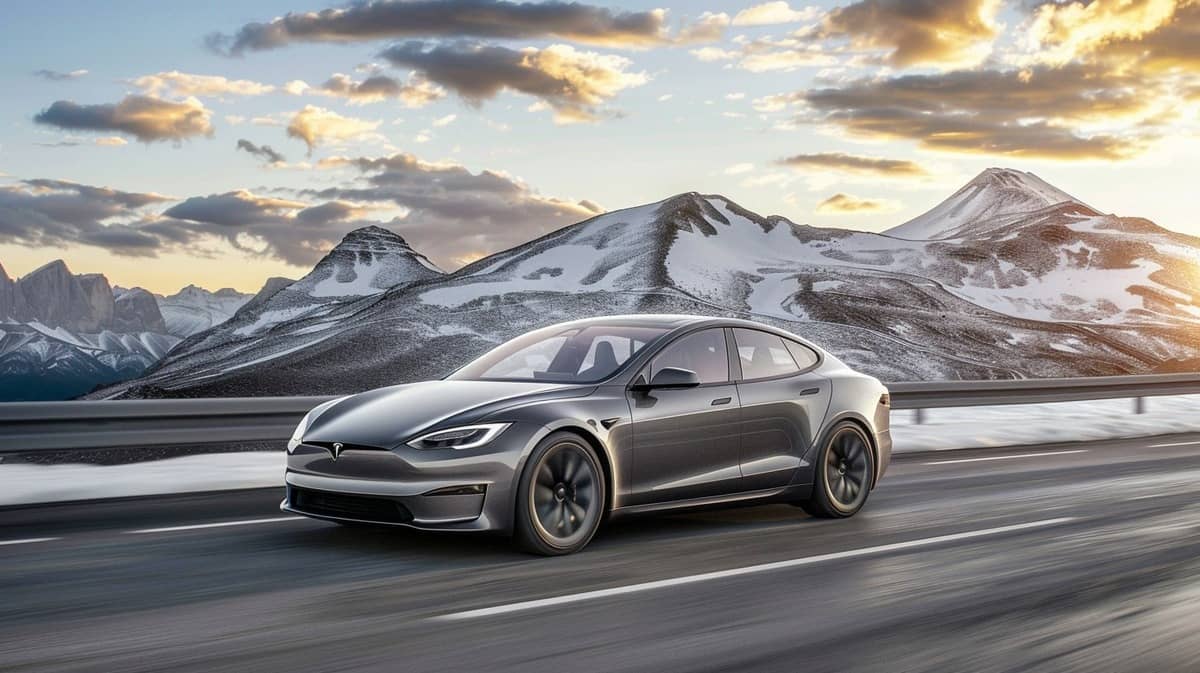
One of the most appealing features of a Tesla is that it runs on electricity instead of fuel. In the United States, there are over 160,000 EV charging stations where Tesla users can conveniently charge their cars using a charging port and a cable.
But can you drive over a Tesla charging cable? No, you should not drive over the charging cable. This lightweight cable is not designed to withstand the weight of a car. If you repeatedly drive over the cable, it can get crushed, develop cracks in the outer casing, or may fail to operate.
In this article, we will learn whether you should drive over a Tesla charging cable. So, let’s get started!
Can You Drive Over A Tesla Charging Cable?
You should not drive over the cable you use to charge your Tesla. Typically, a car weighs around 1859.7 kilograms. These charging cables can handle the pressure from your foot. But they are not built to withstand the weight of a car.
This flexible cable is made from very thin strands of copper. If you drive your car over this cable, it will put too much pressure on it. As a result, the following may occur:
- The cable will sustain physical damage.
- Your Tesla will charge slower than usual.
- The outer plastic covering on the cable can get cracked, and wires may come out.
- The cable will overheat and catch fire.
So, to protect the charging cable from damage, you can use cable ramps or put plastic cable covers over your Tesla charging cable.

How Can You Charge Your Tesla Properly With The Charging Cable?
You can use a Tesla mobile connector or a Tesla wall connector to charge your Tesla. It lets you charge your car at home or any place with a power outlet.
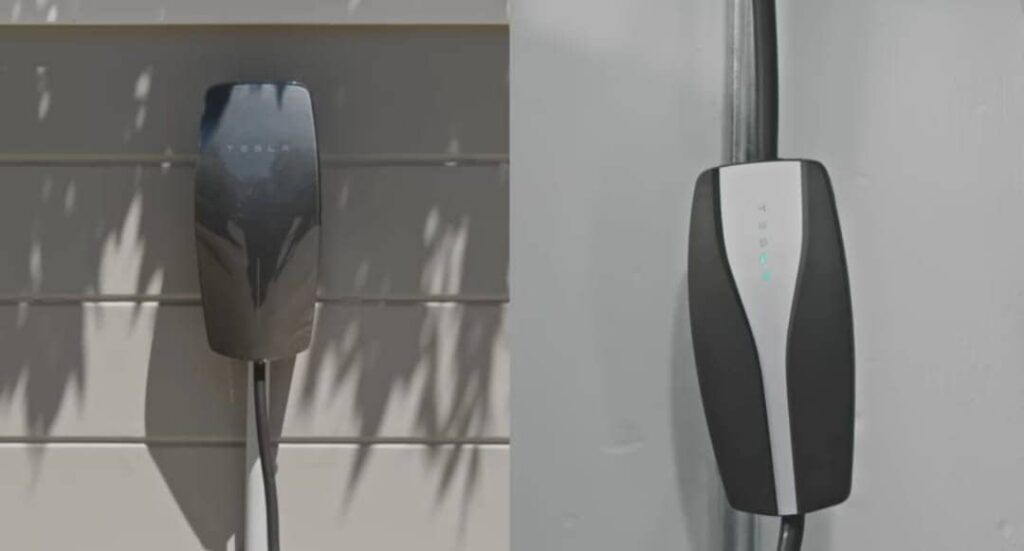
However, if you are on the road and your Tesla needs immediate charging, you can use the Tesla Supercharger.
Look at the graph we have provided below. It shows that your Tesla charges fastest right after you plug in the cord.
But, the charging rate slows down as the battery fills up. So, you should take your Tesla to the charging stations when your battery is below 15%.

To charge your Tesla properly at the charging station, you can follow the steps we have provided below.
- Step 1: Download the “Chargepoint” app from the Apple Store. It will help you find Tesla charging stations near your current location.

- Step 2: After reaching the charging station, hold your phone or credit card close to the charging machine to activate it.

- Step 3: After that, you will hear a pop sound from the machine, and it will release the charging handle.
- Step 4: Attach a J1772 charging adapter to the charging station’s connector.
- Step 5: Now, open your car’s charge port door using your car’s touchscreen, phone key, or simply by pressing the charge port door.
- Step 6: Then, insert the charging station’s connector into the charging port on your Tesla.

- Step 7: Wait until the “T” sign beside the charging port turns bright green to ensure that your vehicle is completely charged.

- Step 8: Then, press and hold the button on the connector to remove it from your Tesla’s charging port.
- Step 9: After disconnecting the charging cable, close the charging port door on your Tesla to prevent water or dirt from entering it.
- Step 10: Lastly, put the charging cable back in its holder at the charging station.
For a visual representation of this process, you can watch this YouTube video.
Charging Tips You Can Follow To Keep Your Tesla In Good Condition
Many Tesla owners make mistakes when charging their vehicles. According to reports, these mistakes have caused 30% of electric vehicle batteries to catch fire. So, follow these tips to charge your Tesla safely.
- Do not fully charge your Tesla every day because it can harm the battery. Instead, try to keep the charging between 50% to 90%.
- Use regenerative braking whenever you can to preserve your Tesla’s battery life.
- You must not fully discharge your car’s battery. Try to recharge your Tesla when the battery level reaches 15-20%.
- Try not to drive your Tesla at high speeds for a long time.
- During winter, you should preheat your car’s battery before charging your Tesla at a supercharger.
- While using a Tesla wall connector, you should keep the charging speed around 32-48 amperes.
Is There A Way To Charge A Tesla Without The Charging Cable?
In recent years, researchers have developed a wireless charging method that provides electric vehicle owners with the following benefits:
- Electric car owners can charge their cars without the charging cable.
- It is a more convenient charging method compared to wired chargers.
- Wireless charging allows electric cars to charge 80-90% more efficiently than traditional charging methods.
- This technology allows electric vehicle manufacturers to reduce the size of the batteries used in their vehicles.
- Researchers noticed that electric vehicle chargers make harmonic sounds. However, you won’t face any sound issues when charging your electric car wirelessly.
FAQs
Check out the frequently asked questions below to learn more about whether you can drive over a Tesla charging cable.
If you accidentally drive over a Tesla charging cable once, there is no need to worry. But if you keep doing it, the cable will get damaged. So, you should check the cable for loose wires, deformation, and cracks. If you spot any of these signs, you must not use the charging cable anymore.
No, you must not use the extension cord that is locally available in hardware stores to charge your Tesla. This is because these cords are not designed to withstand the high flow of current that is required to charge your Tesla. Plus, they might damage the charging port in your car.
No, you cannot drive your car while the charging cable is connected to the charging port. Tesla cars have a safety feature that prevents them from operating while charging or when the cable is plugged in. Thus, you need to charge your vehicle, disconnect the cable, and then you can drive away.
Final Words
Overall, you should not drive over the charging cable that you use to charge your car. Although these cables are made from polybutylene terephthalate, which helps them resist dirt, water, and high temperatures, they cannot handle high loads or stress.
The first few times you drive over the cable, you might not notice significant damage. However, the cable will deform and lose its charging capability over time.
Plus, a damaged cable can overheat and catch fire. So, you should use plastic cable covers to protect the charging cable from sustaining physical damage.

I am an experienced guide in electric mobility, offering clear and expert guidance for those venturing into the world of electric vehicles.
Through collaborations, research, and hands-on experience, I navigate readers through the evolving landscape of smart automobile technologies and the significance of renewables.